Ultimate Guide to Air Filters: Types, Replacement & Benefits
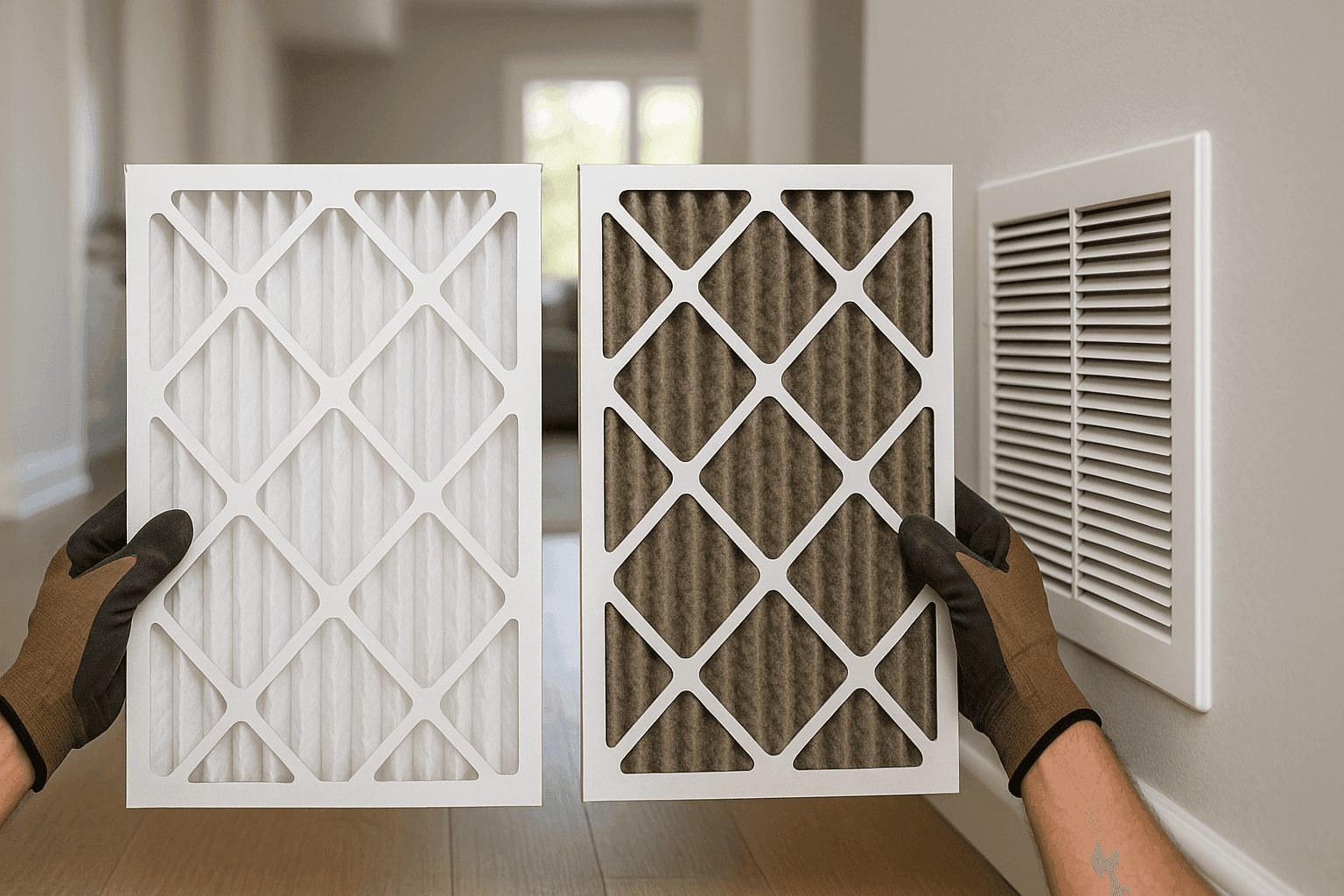
Every breath you take inside your home depends on the unseen work of your air filter. When it’s clean, your air feels fresher, you sneeze less, and your HVAC system runs like a well-tuned engine. But when it’s clogged or wrong for your needs, you might as well be trying to run a race with a sock over your mouth.
At Care Cooling, we know residential air quality is serious—especially when you need emergency cooling or have unique needs like pets, allergies, or high-traffic living spaces. This guide will help you understand the types of air filters, how to choose the right one, when to replace it, and what benefits you can expect from regular upkeep.
Types of Air Filters
Choosing the right filter is a bit like picking the right shoes for a hike. The wrong fit makes everything harder. Here’s what you need to know about the main types you’ll find in home systems:
Fiberglass Filters
Fiberglass filters are the “basic sneakers” of the filter world. They’re inexpensive, disposable, and easy to find. Made from spun glass fibers, they catch large dust and debris but let smaller particles pass through.
- Pros: Cheap and widely available.
- Cons: Minimal filtration—won’t help much with allergens or pet dander.
- Best for: Homes without allergy concerns or pets, or as a short-term solution.
Pleated Filters
Pleated filters step things up. Instead of a flat layer, these use folds—like a well-designed accordion—to pack in more surface area.
- Pros: Better at catching dust, pollen, and pet hair.
- Cons: Slightly pricier than fiberglass. Can restrict airflow if not changed regularly.
- Best for: Homes with pets or mild allergies.
HEPA Filters
HEPA (High-Efficiency Particulate Air) filters are the gold standard. Think of them as the hiking boots of air filters—designed for tough jobs, catching 99.97% of particles down to 0.3 microns (that’s smaller than most bacteria).
- Pros: Excellent for allergies, asthma, or anyone needing ultra-clean air.
- Cons: Not all home HVAC systems can handle the thick material—check your system specs.
- Best for: Allergy sufferers, homes with babies, or anyone wanting maximum filtration.
Electrostatic Filters
Electrostatic filters use static electricity (like rubbing a balloon on your hair) to trap particles. They come in disposable or washable versions.
- Pros: Good for trapping smoke, dust, and pet dander. Washable options are eco-friendly.
- Cons: Effectiveness depends on regular cleaning.
- Best for: Homes with pets, smokers, or anyone wanting to reduce waste.
MERV Ratings Explained 🏷️
Ever notice a mysterious “MERV” number on filter boxes? It stands for Minimum Efficiency Reporting Value—a scale from 1 to 20 that tells you how well a filter catches particles.
- MERV 1–4: Basic protection. Stops large dust, lint. Common in budget filters.
- MERV 5–8: Catches mold spores, dust mites. Good for most homes.
- MERV 9–12: Traps fine dust, pet dander, pollen. Great for allergy-prone families.
- MERV 13–16: Removes bacteria, smoke, most allergens. Used in hospitals and high-need homes.
Note: The higher the MERV, the more resistance to airflow. Always check your system’s specs (see your manufacturer’s manual or consult an HVAC pro) before upgrading.
Signs You Need a New Filter
Like a warning light on your dashboard, your filter sends signals when it’s time for a change:
- Dust gathers quickly on furniture, even after cleaning.
- Allergy symptoms spike indoors.
- Your HVAC system runs longer or makes odd noises.
- The filter looks gray or clogged on inspection.
- A musty or stale smell lingers in your home.
If you have pets, live near construction, or run your system often (think emergency cooling during heatwaves), replace filters more frequently.
Step-by-Step Replacement Guide 🛠️
Changing an air filter is easier than changing a tire. Here’s how to do it safely:
- Shut Off the System: Turn off your HVAC unit for safety. This prevents debris from being sucked in.
- Locate the Filter: Most are behind a grill in the return vent or inside the furnace/air handler.
- Check the Size: The dimensions are printed on the filter’s edge. Write them down or snap a photo.
- Remove the Old Filter: Use gloves if it’s especially dirty. Pull it straight out.
- Insert the New Filter: Arrows on the side show airflow direction—point them toward the blower.
- Replace the Cover: Make sure it fits snugly.
- Restart the System: Turn your HVAC back on and enjoy fresher air.
Tip: Mark your calendar or set a phone reminder for the next change—typically every 1–3 months, depending on usage and filter type.
Choosing the Right Filter for Your Home
Every home is different. Here’s how to match your filter to your needs:
- Allergies or Asthma: Go for HEPA or high-MERV pleated filters. Look for filters certified by the Asthma and Allergy Foundation of America.
- Pets: Choose pleated or electrostatic filters (washable options help with fur and dander).
- High-Traffic Homes: If your home is busy with kids, guests, or lots of activity, upgrade to at least a MERV 8–11 pleated filter.
- Emergency Cooling Needs: Regular filter changes keep air flowing fast when you need cooling most.
The Performance & Health Impacts
A clean filter is like an open window on a spring day—air moves freely, and you breathe easy. Here’s what you gain:
- Better Air Quality: Removes particles that cause sneezing, coughing, and headaches.
- Less Dust: Cuts down on cleaning time and keeps your home looking fresh.
- Longer Equipment Life: Reduces strain on your HVAC system, preventing breakdowns.
- Lower Bills: Improves airflow, so your system doesn’t work overtime.
The U.S. Environmental Protection Agency (EPA) recommends regular HVAC maintenance, including timely filter changes, for healthy indoor air (see EPA Indoor Air Quality guidelines).
Frequently Asked Questions
How often should I change my air filter?
Most homes need a new filter every 1–3 months. If you have pets, allergies, or high use, check monthly.
Can I use a HEPA filter in any HVAC system?
Not always. HEPA filters are thick, and some systems can’t handle the airflow restriction. Check your manufacturer’s manual or ask a qualified technician.
What happens if I leave my filter unchanged?
Clogged filters block airflow, make your system work harder, and lower indoor air quality. Eventually, you risk costly repairs or emergency cooling needs.
Are washable filters as effective as disposable ones?
Washable electrostatic filters can work well, but only if cleaned regularly. Disposable filters tend to trap more fine particles, especially at higher MERV ratings.
Local & Seasonal Considerations 🌦️
Climate and season affect how hard your filter works. In dry, dusty areas or during pollen season, filters clog faster. After home renovations or wildfire smoke events, check your filter sooner.
For “Ventallation near you” or emergency cooling during heat waves, a clean filter keeps your system running efficiently—when you need it most.
Final Thoughts
A simple filter swap can mean the difference between stuffy air and a home that feels as fresh as a walk in the woods. Make air filter changes a routine, and you’ll save on energy, breathe easier, and avoid those surprise late-night breakdowns.
Call Care Cooling now — or reach us anytime at 877-779-0548 .