HVAC Maintenance Checklist for Homeowners: Year-Round Care
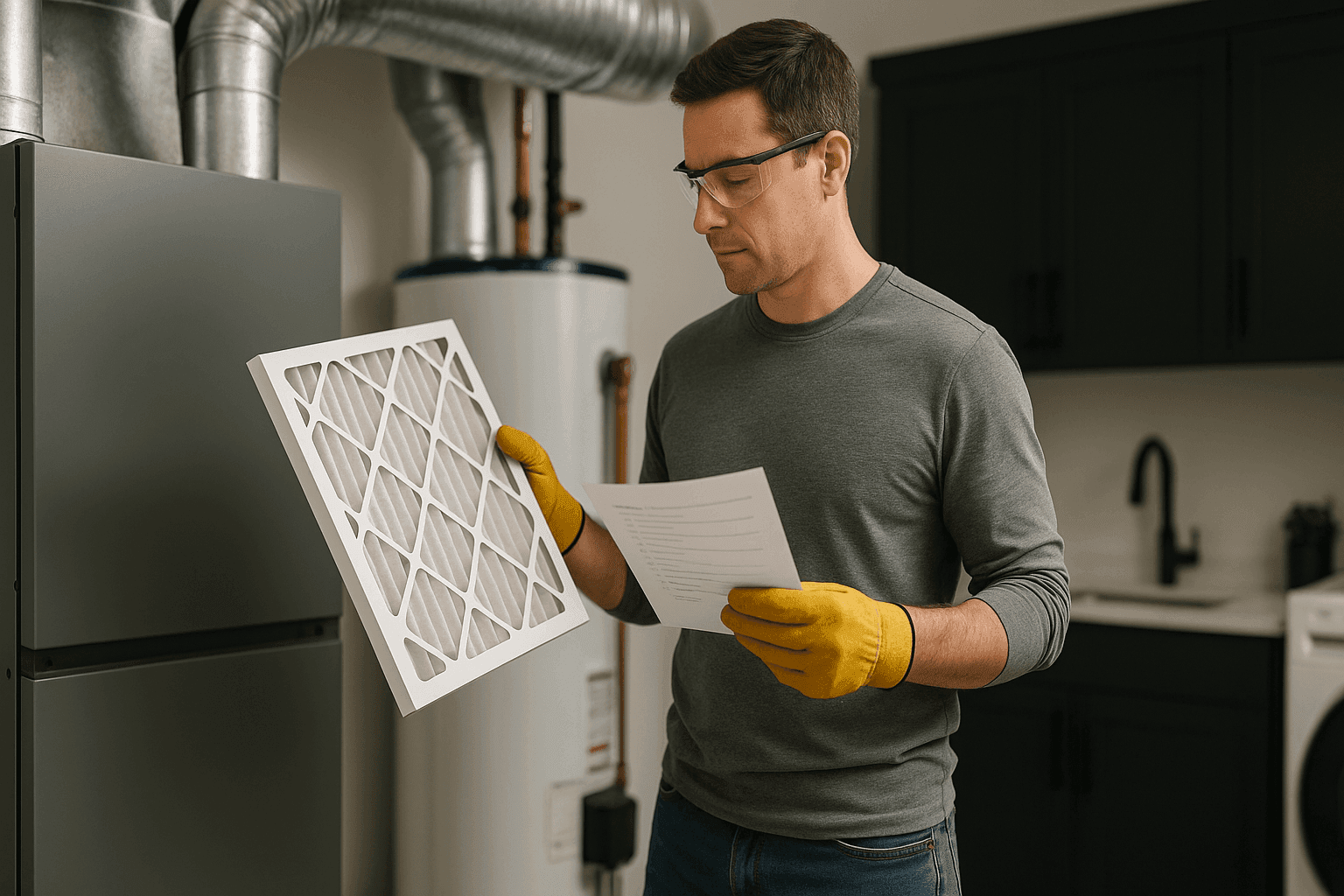
Is there ever a good time for your air conditioner to quit? Never. But it always seems to happen on the hottest or coldest day of the year. We get it—your home’s comfort is non-negotiable, and so is the stress when the air turns stuffy or the heater goes silent. That’s why regular HVAC maintenance isn’t just a suggestion; it’s a must-do.
At Care Cooling, we’ve seen how a little attention goes a long way. Year-round care means fewer emergencies and lower bills. Let’s walk through the ultimate HVAC maintenance checklist, month by month, so your system keeps humming and your family stays cozy—no matter what the season throws your way.
Why Regular HVAC Maintenance Matters
Think of your HVAC system like a car: skip oil changes, and things break down fast. Ignore your air conditioner or furnace, and you’ll face sudden breakdowns, sky-high energy bills, and even safety hazards. According to ENERGY STAR and the U.S. Department of Energy, proper HVAC maintenance can reduce energy use by up to 15% annually and extend your system’s lifespan. That’s comfort and cost savings you can feel.
Quick Safety Checklist 🛑
Before you start, safety first. Follow these steps every time:
- Turn off power to the unit at the breaker.
- Let moving parts come to a full stop.
- Wear gloves and a dust mask to avoid allergens.
- If you smell gas or burning, call a pro immediately.
- Never open sealed electrical panels.
If in doubt, wait for a professional. Your safety isn’t worth the risk.
Month-by-Month HVAC Maintenance Checklist
January—March: Winter Watch
- Check and replace air filters (every 1–3 months). Dirty filters choke your system and waste energy.
- Inspect thermostat settings. Test both heat and cooling modes—catch problems early.
- Listen for strange noises. Rattles, bangs, or screeches can signal loose parts or failing motors.
- Clear vents and registers. Make sure furniture, rugs, or drapes aren’t blocking airflow.
- Monitor humidity. Too dry? Consider a humidifier checkup.
Warning Signs: Uneven heating, higher energy bills, or a furnace that cycles on and off rapidly.
April—June: Spring Cleaning & Prep
- Schedule a professional tune-up. Spring is prime time for an AC inspection.
- Clean around outdoor units. Remove leaves, grass, and debris from the condenser.
- Test your thermostat. Upgrade to a smart thermostat for better control.
- Check ductwork for dust buildup or leaks. If you see lots of dust or smell mustiness, it’s time for duct cleaning.
- Open and clean air supply vents. Vacuum grilles and wipe with a damp cloth.
Warning Signs: Musty smells, visible dust clouds, or inconsistent cooling.
July—September: Summer Surge
- Replace filters again. Summer pollen and heavy use can clog filters fast.
- Inspect insulation on refrigerant lines. Cracked or missing insulation wastes energy.
- Keep outdoor units clear. Mow grass and trim shrubs at least two feet around the unit.
- Listen for hissing or bubbling. This may mean a refrigerant leak—call Care Cooling for emergency cooling service.
- Monitor your system’s cycling. If it runs nonstop or not at all, get help.
Warning Signs: Warm air from vents, weak airflow, or ice on coils.
October—December: Fall & Furnace Prep
- Replace filters (again!). Yes, filters matter this much.
- Schedule a heating system inspection. Catch issues before cold weather hits.
- Test the carbon monoxide detector. Safety first, especially with gas heating.
- Clean and adjust humidifiers or dehumidifiers. Balance indoor air for comfort.
- Inspect and clean the blower assembly if accessible.
Warning Signs: Strange odors, slow starts, or frequent cycling.
Common Homeowner Mistakes to Avoid
- Skipping filter changes.
- Closing too many supply vents (can strain your blower).
- Ignoring small noises or smells.
- DIY repairs on electrical parts.
- Forgetting spring and fall inspections.
Manufacturer guidelines (like those from Lennox, Carrier, Trane, and Goodman) all warn: routine care is the key to system reliability and warranty protection.
DIY vs. Call a Pro
Some tasks are safe and simple—like changing filters or vacuuming vents. But when it comes to refrigerant, wiring, or opening sealed units, it’s time to phone a licensed HVAC technician.
DIY To-Dos:
- Change filters
- Dust and vacuum registers
- Clear debris from outdoor units
- Check thermostat batteries
Call a Pro For:
- Annual tune-ups and inspections
- Refrigerant issues
- Electrical or motor problems
- Duct cleaning and air balancing
What Pros Do On Arrival
When Care Cooling arrives, here’s what you can expect:
- Comprehensive safety check (electrical, gas, carbon monoxide)
- Test and calibrate thermostat
- Inspect and clean coils, blower, and condensate lines
- Check refrigerant pressure and system cycles
- Assess ductwork for leaks or blockages
- Evaluate indoor air quality
- Provide a written report and suggestions
This keeps your system tuned—like a well-practiced orchestra, everything in harmony.
Prevention & Maintenance
Why wait for a breakdown? Preventive maintenance is about keeping small problems from becoming big bills. ENERGY STAR recommends two professional checkups per year: spring for cooling, fall for heating.
Benefits:
- Lower monthly bills
- Fewer emergency repairs
- Longer equipment life
- Better air quality
Bonus: You’ll notice fewer hot or cold spots and a more comfortable home—no matter the weather.
Costs & Time Factors
Routine maintenance is affordable compared to big repairs or replacements. Tasks like filter changes take just minutes. Professional inspections may take an hour or two. Emergency cooling repairs vary—sometimes it’s a quick fix, other times more involved.
Typical timeframes:
- Filter change: 5–10 minutes
- Professional tune-up: 1–2 hours
- Duct cleaning: 2–4 hours (whole house)
- Emergency service: As needed, day or night
Remember, skipping maintenance can lead to costly compressor or furnace replacements—often thousands of dollars.
When It’s an Emergency
Some problems can’t wait:
- No air or heat in extreme weather
- Strange burning smells
- Loud, persistent noises
- Water pooling near the unit
- Electrical issues (sparks, tripped breakers)
If you notice any of these, call for 24 hour emergency cooling or heating service. Fast action can prevent further damage and keep your family safe.
FAQ: Homeowner HVAC Questions
How often should I change my HVAC filter?
Every 1–3 months, depending on filter type, pets, and allergies.
Is duct cleaning really necessary?
If you see visible dust, experience smells, or have allergies, duct cleaning improves air quality.
Can smart thermostats help?
Yes. They offer better comfort and energy savings by learning your schedule and adjusting automatically.
Will regular maintenance prevent all breakdowns?
Not all—but it dramatically reduces the risk and catches issues before they become emergencies.
Local/Seasonal Considerations 🌦️
Weather swings, pollen levels, and even wildfire smoke can affect your HVAC system. In spring, allergy season means more frequent filter checks. Summer storms? Inspect outdoor units for storm debris. Winter? Watch for ice and snow buildup around vents and outdoor heat pumps.
No matter the season, always consider local climate and environmental factors. If you’re searching for "Ventallation near you" or reliable emergency cooling, make sure your provider is familiar with local code and safety guidelines (per the International Residential Code and local utility recommendations).
Taking care of your HVAC system is like tending a garden—a little effort each month keeps things flourishing all year. Need help or facing an emergency?
Call Care Cooling now — or reach us anytime at 877-779-0548 .