Emergency Cooling Guide: What to Do Before Help Arrives
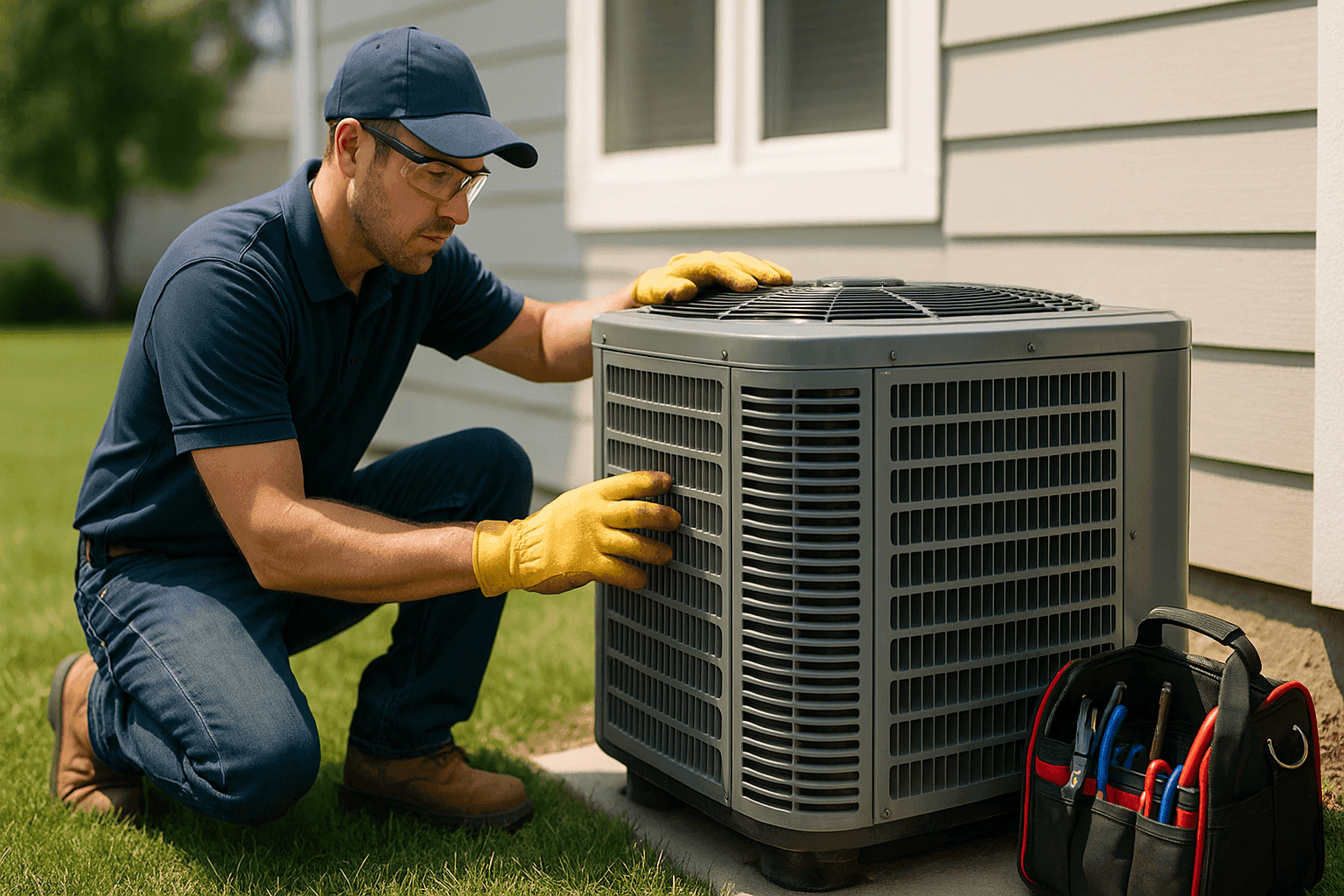
Is your home suddenly heating up, and the air conditioner just quit? You’re not alone. Few moments are more stressful than an unexpected AC breakdown—especially when the temperature’s rising and relief feels out of reach.
Care Cooling knows what it’s like to face a stifling house and anxious family. We’re here 24/7 for real emergencies, but there’s plenty you can do while waiting for help. Take a breath. You’ve got this—let’s walk through what to do next.
What Happens When Your AC Fails—And Why It Matters
Sudden cooling loss can turn your space into a pressure cooker. For infants, older adults, and anyone with health conditions, heat stress is serious business. The National Weather Service warns that indoor temps above 80°F can be dangerous, especially during heat waves. Humidity only adds to the risk.
But acting quickly keeps things under control. A few smart steps can buy you hours of comfort and prevent bigger headaches when the technician arrives.
Quick Safety Checklist 🛑
Before you try anything, check these safety musts:
- Don’t ignore discomfort: If anyone feels faint, confused, or dizzy, move to a cooler place and call for medical help.
- Avoid electrical hazards: Never touch wet wiring, outlets, or the outside AC unit if it’s storming or you see sparks.
- Keep windows and doors closed (unless outdoor air is cooler and less humid than inside).
- If you smell burning or see smoke: Shut off your HVAC at the breaker and leave the house.
- Stay hydrated: Drink water often, not soda or alcohol.
- Supervise pets and kids: Children and animals overheat faster than adults.
If you’re ever unsure, it’s safest to wait for a pro. Your comfort matters, but so does everyone’s safety.
Step-by-Step: What to Do Right Away
1. Turn Off Your System
Power down your AC using the thermostat. If you hear strange noises or smell burning, switch it off at the breaker, too. This prevents further damage and keeps your home safe.
2. Check Your Breaker Panel
Sometimes a flipped breaker is all that’s wrong. Find your breaker box (usually in a garage, basement, or closet). Look for any switches out of place. If you find one, flip it fully off, then on. Don’t force stuck breakers—leave that for a technician.
3. Inspect the Thermostat
Is the display blank or flashing an error? Try new batteries if it’s battery-powered. Make sure it's set to “cool” and the temperature is lower than the current room temp.
4. Change or Check the Filter
A dirty filter chokes the system. If you know how, pop it out and inspect. If it’s gray and clogged, replace it. This can sometimes restore airflow.
5. Look for Obvious Issues
- Is there ice on the indoor or outdoor unit? Leave it off and let it thaw.
- Are all vents open and unblocked by furniture?
- Any strange sounds, leaks, or smells? Note them for your technician.
Staying Cool While You Wait
While you wait for emergency cooling help, focus on comfort and safety:
- Close blinds and curtains. Block out the sun.
- Use portable fans. Aim them out windows if it’s cooler outside, or inward for circulation.
- Open windows at night if outdoor temps drop below indoor.
- Limit oven and stove use. They add unnecessary heat.
- Move to the lowest level of your home—heat rises.
- Wear lightweight, light-colored clothes.
- Use cold, damp washcloths on wrists and neck.
For more ideas, the Centers for Disease Control and Prevention (CDC) offers guidance on heat safety at home.
DIY vs. Call a Pro: Know Your Limits 🔧
Some fixes are safe for homeowners, but others can cause injury or void your warranty.
Safe for Homeowners:
- Changing the air filter
- Checking breaker switches
- Resetting the thermostat
- Opening or closing vents
Leave to the Pros:
- Replacing or repairing wiring
- Handling refrigerant (it’s regulated and can be dangerous)
- Opening sealed panels or units
- Climbing on roofs or into tight attic spaces
If you’re ever in doubt, call Care Cooling. No AC repair is worth risking your safety—or your system’s long-term health.
What Information to Gather for Your Technician
When you call for emergency cooling, having the right info helps us help you faster:
- Brand and model of your AC (usually on the outdoor unit)
- What you noticed (noises, leaks, error codes, smells)
- Steps you’ve already tried
- When the problem started
- Any recent power outages, storms, or electrical work
This detail paints a clear picture and can save valuable time during the visit.
What Pros Do On Arrival
Here’s what to expect when one of our technicians arrives:
- Initial safety check: We’ll verify power and look for hazards.
- Diagnostic testing: Using specialized tools, we’ll check electrical, refrigerant, airflow, and controls.
- Clear explanation: We’ll tell you what’s wrong, the next steps, and answer your questions.
- Fast repairs: Most common problems—like faulty capacitors, clogged filters, or blown fuses—are fixed on the spot.
- Advice for prevention: We’ll suggest ways to keep your system healthy, like routine HVAC maintenance or IAQ testing.
Prevention & Maintenance: Stop Emergencies Before They Start
A stitch in time saves a sweaty night.
- Replace filters every 1–3 months. Dirty filters strain your system.
- Schedule seasonal maintenance. Annual or twice-a-year checks catch problems early.
- Ask about home energy audits to uncover hidden issues.
- Clean vents and ducts to keep air flowing freely.
- Upgrade your thermostat for better control and alerts.
- Consider surge protectors. Power surges can fry sensitive AC parts.
According to the U.S. Department of Energy, regular maintenance can extend your system’s life and reduce emergency calls.
Costs & Time Factors: What to Expect
Emergency cooling repairs can vary widely:
- Diagnosis: Usually within 30–60 minutes.
- Minor repairs: May be fixed on the spot if parts are available.
- Major issues: Could require a return visit or ordering parts.
- Costs: Vary by time of day, part needed, and problem complexity.
After-hours, holiday, and weekend visits might cost more. But with Care Cooling’s 24 hour emergency service, you never have to wait for business hours to get help.
When It’s Truly an Emergency ⚠️
Not every AC issue is a true emergency, but some situations call for immediate action:
- Indoor temps above 85°F for children, seniors, or medical needs
- Electrical burning smells or visible smoke
- Water leaks near electrical equipment
- Complete system failure during a heat wave
- Loud bangs, pops, or sparks from the unit
If you’re unsure, it’s always better to call. Your safety can’t wait.
FAQ: Emergency Cooling & Home HVAC
How fast can emergency cooling service arrive?
Response times depend on demand and location, but Care Cooling dispatches help 24/7, including weekends and holidays.
Should I turn off my AC if it’s making weird noises?
Yes. Power it down at the thermostat and breaker, then wait for a technician.
Can I open windows if my AC is out?
Yes, if it’s cooler and less humid outside. Otherwise, keep them closed to trap cooler air inside.
Is it safe to use portable generators for cooling?
Only use generators outdoors, never inside, and follow manufacturer safety instructions. Improper use can cause carbon monoxide poisoning.
Local & Seasonal Considerations
Heat waves, humidity, and even ice storms can all impact your home’s cooling needs. In some regions, spring storms or high winds can knock out power and AC together. If you’ve recently had a power outage, always check your breaker and thermostat first.
If you live in an older home or one with lots of sunlight, you may need extra steps—like ventilation near you, air balancing, or whole-house fans—to keep cool. Ask about Care Cooling’s solutions tailored to your home and climate.
When the heat is on, don’t sweat it alone. Care Cooling’s 24/7 emergency cooling service is just a call away—ready for holidays, weekends, and late nights.
Call Care Cooling now — or reach us anytime at 877-779-0548 .