Preventing HVAC Breakdowns: Essential Tips for Homeowners and Small Businesses
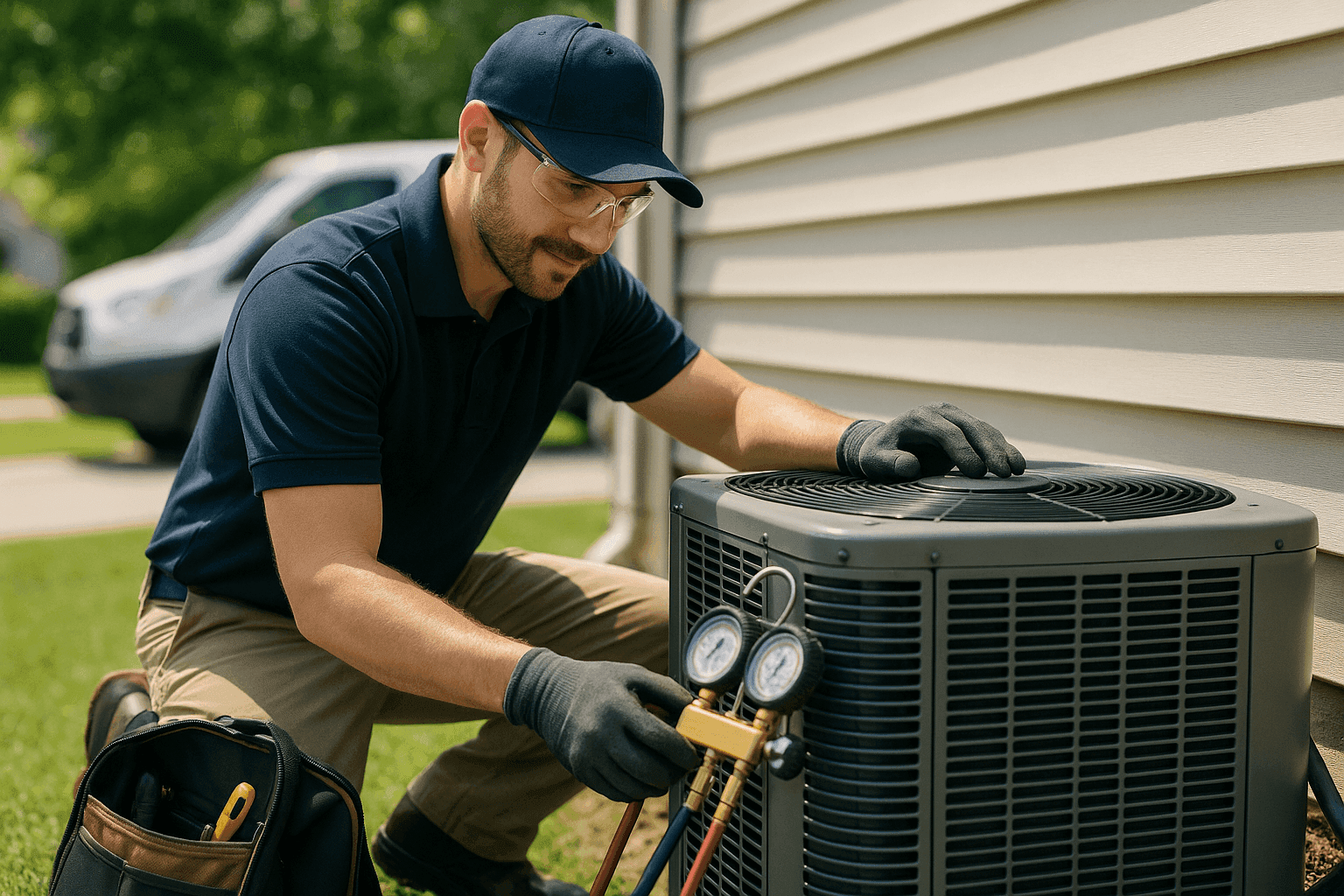
Sweat dripping. Tempers rising. When your HVAC system fails, comfort disappears in a heartbeat. Whether you're a homeowner trying to keep your family cool or a small business owner protecting your workspace, a sudden breakdown can throw your whole day off balance.
At Care Cooling, we know that prevention is worth far more than a frantic midnight call. With decades of experience handling emergency cooling situations, we’ve seen how small steps can keep big problems at bay.
Why HVAC Systems Break Down
Think of your HVAC system as the heart and lungs of your building. When it’s running smoothly, you barely notice it. But just like any hardworking organ, it needs care. Most breakdowns aren’t random—they’re the result of neglect, blocked airflow, worn parts, or missed warning signs.
Common causes of HVAC failure:
- Clogged filters choking airflow
- Dirty coils reducing efficiency
- Refrigerant leaks causing the system to overwork
- Thermostat malfunctions creating temperature swings
- Electrical or wiring issues leading to sudden shutdowns
- Blocked or leaky ducts wasting cooled air
Ignoring these issues is like ignoring the check engine light in your car. Eventually, something gives out—usually at the worst possible time.
Quick Safety Checklist Before You Touch Anything 🛑
Before you roll up your sleeves, do a quick safety check. Your safety comes first.
- Turn off power to your HVAC system at the breaker.
- Check for water leaks or pooling around the unit—water and electricity never mix.
- Listen for strange noises (grinding, banging, hissing).
- Sniff for odd smells—burning or musty odors can signal trouble.
- Watch for visible damage to wires, insulation, or panels.
- Don’t open sealed panels or handle refrigerant—leave that to licensed professionals.
If anything looks or feels unsafe, stop and call a professional right away. The U.S. Occupational Safety and Health Administration (OSHA) recommends leaving complex electrical and mechanical repairs to certified technicians.
DIY Maintenance vs. Calling a Pro
Some HVAC care is as simple as changing a lightbulb. Other tasks are more like rewiring your house. Knowing the difference saves time, money, and headaches.
What You Can Do Yourself
- Replace air filters every 1–3 months (more often with pets or allergies).
- Keep outdoor units clear of leaves, grass, and debris.
- Vacuum vents and registers to prevent dust buildup.
- Check thermostat batteries and settings.
- Inspect visible ductwork for dust or damage.
When to Call Care Cooling
- Strange noises or smells coming from the unit.
- Uneven cooling or hot/cold spots in rooms.
- Frequent cycling (turning on/off rapidly).
- Water leaks or ice buildup on coils.
- Electrical issues—flickering lights, tripped breakers.
- Poor air quality—excess dust, musty odors, or allergy flare-ups.
Certified HVAC technicians follow guidelines from organizations like the Air Conditioning Contractors of America (ACCA) and the American Society of Heating, Refrigerating and Air-Conditioning Engineers (ASHRAE) to ensure repairs and maintenance meet safety and performance standards.
What the Pros Do When They Arrive
When you call Care Cooling, you get more than a quick fix. Our technicians arrive with tools, training, and a sharp eye for detail.
Here’s what happens during a professional visit:
- Full system inspection: Checking electrical connections, refrigerant levels, and moving parts.
- Testing airflow: Measuring air pressure and balance throughout your building.
- Cleaning coils and drains: Removing dirt and debris to boost efficiency.
- Checking for leaks: Inspecting refrigerant lines and ductwork.
- Calibrating thermostats: Ensuring accurate temperature control.
- Reviewing safety controls: Confirming all emergency shutoffs and sensors work properly.
We follow manufacturer recommendations and industry standards for each system, whether it's a traditional AC, mini-split, or whole-house fan.
Prevention & Maintenance: Your Seasonal Checklist
A little routine care goes a long way. Here’s a simple, season-by-season checklist to keep your HVAC system humming.
Spring
- Replace or clean air filters.
- Inspect outdoor units for winter debris.
- Check refrigerant lines for insulation damage.
- Test thermostat and replace batteries.
- Schedule a professional tune-up before summer heat arrives.
Summer
- Keep outdoor condenser units clear of grass and plants.
- Listen for unusual noises during operation.
- Check for musty odors—clean or replace filters as needed.
- Monitor humidity levels; consider a dehumidifier if it feels sticky inside.
Fall
- Replace air filters before heating season.
- Inspect and clean vents and registers.
- Test your heating system early—don’t wait for the first cold snap.
- Schedule duct cleaning or IAQ testing if allergies worsen.
Winter
- Keep outdoor unit clear of snow or ice (if applicable).
- Check for drafts around doors and windows.
- Listen for banging or rattling when the heat kicks on.
- Schedule a mid-season checkup for older systems.
Bonus tip: Mark your calendar for filter changes and professional maintenance. It’s easy to forget until you’re sweating—or shivering.
Signs Your HVAC Needs Attention
Your system will often whisper before it screams. Watch for these early warning signs:
- Weak airflow or rooms that never seem comfortable.
- Unusual noises—clanks, hisses, or grinding.
- Frequent cycling or short bursts of operation.
- Higher energy bills with no change in usage.
- Unpleasant smells from vents.
- Moisture or leaks near the unit.
Catching problems early can prevent a small hiccup from turning into a full-blown emergency cooling call.
Filter Replacement and Ventilation Care
Filters are like the lungs of your HVAC. When they’re clogged, your whole system struggles to breathe.
How to replace filters:
- Turn off the system.
- Slide out the old filter (check the size printed on the frame).
- Insert the new filter, following the airflow arrows.
- Write the date on the filter for easy tracking.
Ventilation tips:
- Keep supply and return vents unblocked by furniture or rugs.
- Dust or vacuum vent covers monthly.
- Consider professional duct cleaning if you notice persistent dust, mold, or odors.
The Environmental Protection Agency (EPA) recommends regular filter changes and ventilation checks to improve indoor air quality and system efficiency.
Professional Inspections: Why They Matter
Even the best DIY routine can’t catch everything. Professional inspections go deeper, using specialized tools to spot hidden issues.
Benefits of regular professional checkups:
- Detect refrigerant leaks and fix them before they harm your compressor.
- Test electrical connections and safety controls.
- Clean internal coils and blower components.
- Measure airflow and balance for even comfort.
- Advise on upgrades, like smart thermostats or air scrubbers, for better air quality.
Routine inspections can extend your system’s lifespan, reduce emergency repairs, and keep your energy bills in check.
Costs & Time Factors: What to Expect
No one likes surprises—especially on their bill. While every situation is unique, here’s what you can expect:
- DIY filter changes: 5–10 minutes, cost of the filter only.
- Professional maintenance visit: Typically 1–2 hours, depending on system size and condition.
- Minor repairs: Can often be completed same-day if parts are available.
- Major repairs or installations: May require several hours or multiple visits.
Investing in regular maintenance is like changing the oil in your car. It costs a little now, but it can save you from expensive breakdowns later.
When It’s an Emergency
Sometimes, things go wrong at the worst time—late at night, during a heatwave, or right before an important meeting. That’s when Care Cooling’s 24-hour emergency service steps in.
What counts as an emergency?
- Complete loss of cooling or heating
- Electrical burning smells or visible sparks
- Water leaks threatening property
- System won’t turn on, and troubleshooting fails
If your comfort, safety, or business operations are at risk, don’t wait. Call for emergency cooling help anytime, day or night.
Frequently Asked Questions
How often should I replace my HVAC filter?
Most filters need changing every 1–3 months. If you have pets, allergies, or run your system constantly, check monthly.
Can I clean ducts myself?
Surface dust on vent covers is easy to wipe away. But deep duct cleaning requires specialized tools and should be left to professionals.
Why is my AC running but not cooling?
This could be a sign of low refrigerant, a dirty coil, or a thermostat problem. If basic troubleshooting doesn’t help, call a technician.
How can I improve my indoor air quality?
Change filters regularly, keep vents clean, and consider upgrades like air scrubbers, dehumidifiers, or IAQ testing.
Special Considerations for Homeowners and Small Businesses
Every building is different. Homes may need extra attention to pet hair, while businesses might face dust from foot traffic or equipment. If you have sensitive electronics, medical equipment, or refrigerated goods, your HVAC system is even more critical.
Don’t forget:
- Schedule maintenance during off-hours to avoid disrupting business.
- Ask about energy audits to find hidden inefficiencies.
- Consider backup power options like generator installation for uninterrupted comfort.
A proactive approach helps you stay ahead of problems—so you’re never caught off guard by a sudden breakdown.
Call Care Cooling now — or reach us anytime at 877-779-0548 .