How to Prepare Your Cooling System for Severe Weather Emergencies
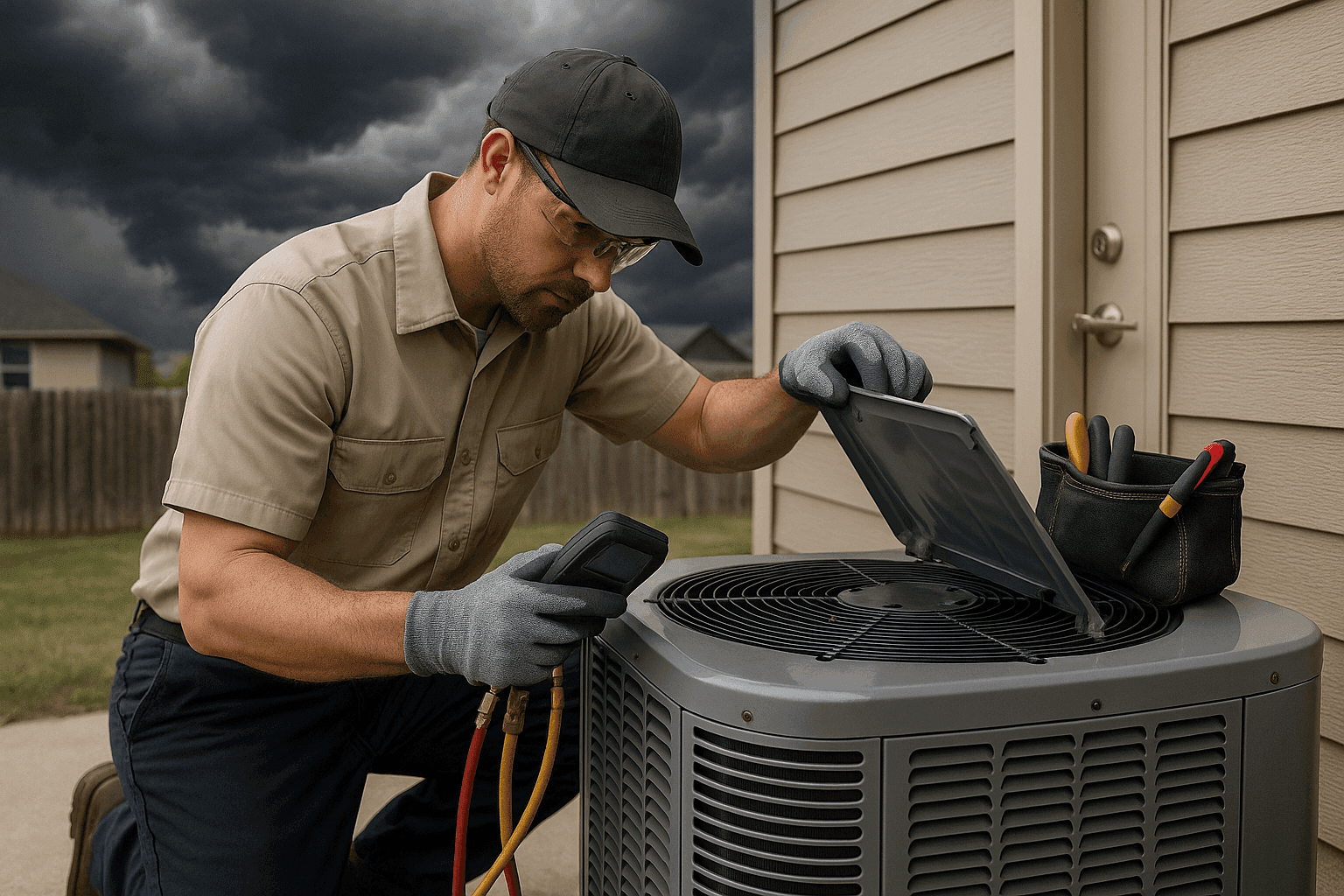
When the forecast turns threatening, your cooling system becomes more than a comfort—it’s your shield against the chaos outside. Whether it’s a blistering heatwave, a surprise freeze, or a wild storm, being prepared can mean the difference between a safe, cool home and a stressful scramble.
At Care Cooling, we’ve seen firsthand how quickly emergencies can escalate. We’re here to guide you through smart, actionable steps to protect your HVAC, generators, and air quality—so you can weather any storm with confidence.
Understanding Weather Risks to Cooling Systems 🌪️
Severe weather doesn’t play favorites. It can knock out power, flood basements, clog air filters, and even freeze up your AC or HVAC system. Think of your cooling system as a marathon runner—strong, but vulnerable to sudden hurdles.
Common Threats Include:
- Power Outages: Sudden loss of electricity can stop your AC in its tracks.
- Flooding: Water can damage electrical components or ductwork.
- Debris and Wind: Flying branches or hail can dent outdoor units and block airflow.
- Extreme Heat or Cold: Overloads your system, sometimes causing breakdowns or frozen coils.
The National Weather Service and the Department of Energy both recommend pre-storm preparation for all critical home systems—including your cooling and backup power.
Pre-Storm HVAC Maintenance Tips
Before the clouds gather, a little attention goes a long way. Here’s how to give your system a fighting chance:
Inspect and Clear the Area
- Trim back branches and remove loose items near your outdoor unit.
- Check for visible damage—dents, rust, or loose panels.
- Clear vents and grills of leaves, dirt, and debris.
Test Your System
- Run your AC or HVAC on all modes. Listen for odd noises or weak airflow.
- Replace or clean filters—clogged filters force your system to work harder and can choke off airflow during an emergency.
Secure and Protect
- Fasten any loose panels or covers.
- Consider a weatherproof tarp for outdoor units if high winds or hail are expected—but remove it before running the system.
Schedule Preventive Maintenance
A professional tune-up before severe weather can spot small problems before they grow. Care Cooling technicians follow industry best practices (ASHRAE and EPA guidelines) to check refrigerant levels, electrical connections, and overall system health.
Generator and Backup Power Preparation
No power? No cooling. That’s why a backup generator can be a lifesaver.
Generator Readiness Checklist
- Test your generator monthly—don’t wait for an emergency.
- Check fuel levels and store extra safely, away from heat or flame.
- Inspect for leaks or worn parts.
- Clean air intakes and change filters as recommended by the manufacturer.
- Practice safe placement: Generators should always run outdoors, never in garages or enclosed spaces (per OSHA and CDC safety guidelines).
Professional Installation Matters
If you’re considering a new generator, have it installed by a certified technician who understands both electrical and HVAC needs. This ensures your cooling system gets the backup power it needs—safely.
Protecting Ventilation and Ductwork
Your ventilation acts like the lungs of your building. Severe weather can clog or damage these airways.
- Seal exposed ductwork with approved materials to prevent water intrusion.
- Inspect attic and crawl space vents for blockages or leaks.
- Schedule duct cleaning if you haven’t in the past year—dust and debris buildup can worsen indoor air quality, especially if you need to shelter in place.
Indoor Air Quality Considerations During Emergencies
When windows are shut tight and you’re riding out a storm, indoor air quality (IAQ) becomes even more important.
Steps to Optimize IAQ
- Use high-efficiency filters (HEPA or MERV 13+ if your system allows).
- Install or check air scrubbers and purifiers.
- Run dehumidifiers to prevent mold growth, especially after heavy rain or flooding.
- Consider portable air cleaners for rooms where you’ll spend the most time.
According to the EPA, maintaining good IAQ can help reduce respiratory risks during emergencies—especially for children, seniors, or anyone with allergies or asthma.
Safety Precautions for Homeowners and Small Businesses ⚡
Your safety comes first. Here’s how to avoid common hazards:
- Never operate electrical equipment with wet hands or near standing water.
- Turn off your AC or HVAC at the breaker if flooding is possible.
- Keep generator exhaust away from doors and windows to prevent carbon monoxide poisoning.
- Don’t attempt repairs on electrical or gas lines—always call a professional.
If you’re unsure, it’s safer to wait for qualified help.
Quick Safety Checklist
- [ ] Test AC and generator before the storm
- [ ] Clear debris and trim branches around outdoor units
- [ ] Change air filters
- [ ] Stock up on backup fuel (store safely)
- [ ] Know where your breaker and shut-off switches are
- [ ] Keep emergency contacts handy
DIY vs. Call a Pro
Some tasks—like changing filters or clearing debris—are safe for most homeowners. But electrical repairs, refrigerant handling, and generator installation require special training and tools.
DIY:
- Filter replacement
- Outdoor unit cleaning
- Resetting breakers
Call a Pro:
- Electrical, refrigerant, or gas repairs
- Generator installation or heavy maintenance
- Ductwork sealing or cleaning
Trying to tackle complex issues solo can be risky and may void warranties. Care Cooling’s certified technicians are available 24/7 for emergencies—so you’re never alone when weather strikes.
What Pros Do On Arrival
When you call for emergency cooling help, here’s what a trained technician will typically do:
- Inspect all critical system components for visible and hidden damage
- Test electrical and refrigerant systems for safe operation
- Check generator and backup power connections
- Assess indoor air quality and recommend improvements
- Restore safe, reliable cooling as quickly as possible
Our team follows industry protocols from organizations like ASHRAE, EPA, and OSHA to ensure your safety and system performance.
Prevention & Maintenance
The best way to avoid cooling emergencies? Regular maintenance.
- Schedule seasonal tune-ups: At least once a year for HVAC and generators.
- Change filters: Every 1–3 months, or as recommended.
- Keep outdoor units clear: Year-round, not just before storms.
- Invest in surge protection: Protects sensitive electronics from power spikes.
Routine care keeps your system resilient—like armor for your home’s comfort.
Costs & Time Factors
Emergency service can be more costly and time-consuming than preventive care. Here’s what to expect:
- Tune-ups: Usually take 1–2 hours, depending on system size and age.
- Emergency repairs: Vary widely—simple fixes may take an hour, major repairs could stretch longer.
- Generator installation: May require a day or more, especially if electrical upgrades are needed.
Labor and parts costs fluctuate based on supply, demand, and the nature of the emergency. Investing in prevention is almost always less expensive than waiting for a crisis.
When It’s an Emergency
Call for emergency cooling help if:
- Your system won’t start or is blowing hot air during extreme heat
- You smell burning, gas, or see sparks
- Flooding has reached your HVAC or generator
- You or someone in your building is at risk due to temperature or air quality
Don’t wait—quick action can prevent bigger problems.
FAQ
How often should I test my backup generator?
Test your generator at least once a month. Run it for 10–15 minutes to ensure it starts and powers key circuits.
What’s the best filter for emergencies?
High-efficiency pleated filters (MERV 13 or higher) are ideal, but check your system’s compatibility first.
Can I cover my outdoor AC unit during a storm?
A tarp or cover can protect against debris, but always remove it before turning the system back on to avoid airflow blockages.
Is duct cleaning necessary before every storm?
Not every time, but annual duct cleaning helps keep your system ready and air quality high—especially if you have pets or allergies.
Special Considerations for This Service
- Mini-splits and portable ACs: Unplug if flooding is expected.
- Humidifiers and dehumidifiers: Check for leaks and keep water reservoirs clean.
- Whole-house fans: Shut off and close vents during storms to prevent water intrusion.
- Home energy audits: After a major event, consider an audit to find hidden damage or inefficiencies.
Preparedness is a team effort. Care Cooling’s 24/7 emergency service means you’re never left out in the cold—or the heat.
Call Care Cooling now — or reach us anytime at 877-779-0548 .