Indoor Air Quality Solutions: Cleaner, Healthier Home Air
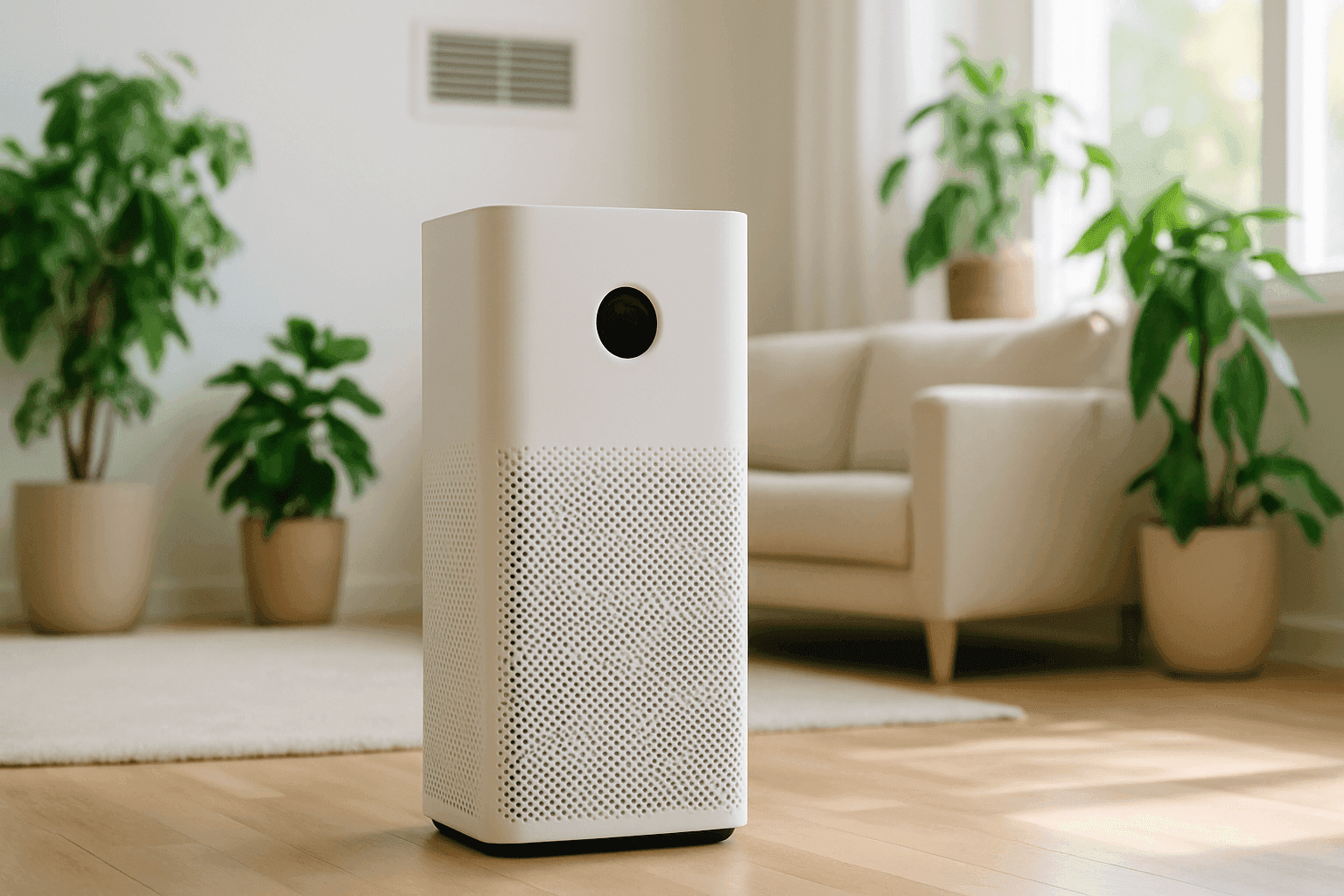
Is your home truly a safe place to breathe? Many of us spend most of our time indoors, yet rarely think about what’s floating in the air. Dust, pollen, and invisible pollutants can slip in, settle deep, and quietly chip away at comfort and health. At Care Cooling, we know these problems don’t wait for regular business hours. That’s why we’re always ready with emergency cooling and air quality solutions, 24/7.
Your lungs work hard, even while you rest. Let’s make their job easier. Here’s how to take charge of your indoor air—step by step.
Common Home Air Pollutants 🏠
Imagine your home as a fishbowl. Everything that enters—stays, unless you have the right tools to filter it out. Here are some of the most common indoor air invaders:
- Dust and Dust Mites: Tiny, but mighty in causing allergies.
- Pet Dander: Even small pets can leave invisible traces everywhere.
- Pollen: Sneaks in through open doors, windows, and on clothing.
- Mold Spores: Thrive in damp corners, basements, and bathrooms.
- Volatile Organic Compounds (VOCs): Released by paints, cleaning products, furniture, and carpets.
- Carbon Monoxide: A silent, odorless gas from gas appliances, fireplaces, or attached garages.
- Tobacco Smoke: Lingers for weeks, affecting air long after the cigarette is out.
- Bacteria and Viruses: Can move through the air, especially in homes with poor ventilation.
The U.S. Environmental Protection Agency (EPA) ranks indoor air pollution among the top five environmental health risks. That’s a wake-up call for every homeowner.
Signs of Poor IAQ
How do you know the air in your home is working against you? Look—and feel—for these clues:
- Frequent sneezing, coughing, or itchy eyes indoors
- Stale or musty odors that never seem to fade
- Visible mold growth on walls, ceilings, or around windows
- Condensation on windows or pipes, signaling excess moisture
- Headaches or fatigue that improve when you leave home
- Build-up of dust on vents and furniture, even after cleaning
Sometimes, the signs are subtle. Kind of like a frog in slowly warming water—by the time it’s obvious, your comfort has already taken a hit.
Testing and Diagnosis
Suspect your air might be off? Testing is your flashlight in a dark room. Here’s how to get started:
DIY Testing
- Carbon Monoxide Detectors: Every home should have these, especially near sleeping areas.
- Humidity Meters (Hygrometers): Ideal indoor humidity is 30–50%. Anything higher or lower can feed mold or dry out sinuses.
- Visual Inspections: Check for mold, dust, and vent blockages.
- Odor Checks: A room that always smells musty probably has a hidden moisture or mold issue.
When to Call a Professional
- Persistent symptoms: If allergies or breathing issues don’t go away.
- Unexplained mold: Especially if it keeps coming back after cleaning.
- After water damage: Flooding or leaks can spark hidden mold growth.
- Before/after major renovations: Construction dust and VOCs can spike after big changes.
Pros use tools like particulate meters, VOC testers, and air flow analysis to pinpoint problems. The National Air Duct Cleaners Association (NADCA) and American Society of Heating, Refrigerating and Air-Conditioning Engineers (ASHRAE) provide guidelines for safe, accurate testing.
Solution Options
Once you know the problem, it’s time to act. Think of these solutions as your home’s personal cleaning crew—working round the clock.
High-Quality Filters
- HEPA Filters: Trap particles as small as 0.3 microns—dust, pollen, pet dander.
- Electrostatic Filters: Use an electric charge to attract and hold particles.
- Activated Carbon Filters: Absorb odors and VOCs, improving overall freshness.
Maintenance Tip: Replace filters every 1–3 months, or as recommended by your system’s manufacturer. Clogged filters make your HVAC work harder and let more pollutants slip through.
Air Purifiers
- Standalone Units: Great for bedrooms or main living spaces.
- Whole-House Systems: Integrate with your existing HVAC for consistent air quality throughout your home.
- UV-C Purifiers: Use ultraviolet light to kill bacteria and viruses.
Care Tip: Clean or replace filters regularly, and follow safety instructions for any UV-based devices.
Dehumidifiers
- Portable Dehumidifiers: Tackle damp rooms like basements or bathrooms.
- Whole-Home Dehumidifiers: Attach to your HVAC system for broader control.
Safety Note: Empty water trays and clean coils often to prevent mold growth inside the unit.
Air Scrubbers
- What They Do: Go beyond filtering—these devices actively scrub the air, removing particles, chemicals, and even some pathogens.
- Best Used: After renovations, smoke damage, or during allergy season.
Upkeep: Follow manufacturer instructions for filter and component replacement.
Ventallation Upgrades
- Exhaust Fans: In bathrooms and kitchens, these remove moisture and odors right at the source.
- Energy Recovery Ventilators (ERVs): Exchange stale indoor air for fresh, filtered outdoor air—without wasting energy.
- Duct Cleaning: Professional cleaning removes years of built-up dust and debris.
Tip: Regularly check that vents and fans aren’t blocked by furniture or dust.
When Professional Testing Is Advised
There’s a time for DIY, and a time to bring in someone with the right tools. Call a pro if:
- You’ve tried home solutions, but symptoms remain.
- There’s visible mold or musty odors in multiple rooms.
- You suspect gas leaks or carbon monoxide.
- Your home has old or complex ductwork.
Certified professionals follow standards from groups like NADCA and ASHRAE, and use calibrated instruments that far outperform consumer-grade gadgets.
Maintaining Your IAQ Devices
Keeping your home’s air clean isn’t a one-time fix—it’s a routine, like brushing your teeth. Here’s how to keep your air helpers working their best:
- Change filters on schedule (every 1–3 months, or as directed).
- Clean air intakes and vents to prevent blockages.
- Check dehumidifier water trays and empty as needed.
- Schedule annual HVAC maintenance with a trusted provider.
- Wipe down air purifier grilles and check for dust build-up.
- Test carbon monoxide detectors monthly and replace batteries annually.
Small steps, big payoff—think of it as spring cleaning for your lungs.
Quick Safety Checklist
- Install carbon monoxide detectors near bedrooms.
- Keep air intakes and vents clear of furniture and dust.
- Address leaks and water damage immediately.
- Use exhaust fans during and after showers or cooking.
- Replace HVAC and air purifier filters regularly.
- Never block return air vents with furniture or rugs.
Frequently Asked Questions
How often should I have my home’s air quality professionally tested?
For most homes, every 1–2 years is a good rule—more often if you have health concerns, recent renovation, or a history of water damage.
Can indoor air quality really affect my health?
Absolutely. Poor IAQ can cause or worsen allergies, asthma, headaches, and even long-term respiratory problems. The EPA and CDC both warn about the dangers of ignoring indoor pollutants.
Are portable air purifiers effective enough?
They can make a real difference in specific rooms, but whole-home solutions offer more consistent results. Filter quality and proper placement matter.
What’s the difference between a dehumidifier and an air scrubber?
A dehumidifier removes moisture; an air scrubber removes particles and some chemicals. In damp climates or homes with allergy sufferers, both may be recommended.
Local and Seasonal Considerations
Every region and season brings unique challenges. In humid summers, mold and dust mites thrive. Winter brings dry air and more time indoors—with windows shut, pollutants can build up fast. Wildfire smoke, pollen bursts, and seasonal storms all affect air quality. If you’re searching for “ventallation near you,” look for providers who understand both your climate and your home’s needs.
Take Action for Cleaner, Healthier Home Air
Don’t wait until your home air feels stuffy, or your family’s health takes a hit. With the right mix of filters, purifiers, dehumidifiers, and expert guidance, you can reclaim your indoor air. If you’re dealing with sudden issues or want a professional diagnosis, Care Cooling is here—any time, day or night.
Call Care Cooling now — or reach us anytime at 877-779-0548 .