Home Energy Audits: Boost Comfort and Cut Cooling Bills
When summer heat clings to your home like a wet blanket, every degree matters. If your AC runs nonstop but comfort slips away, something’s off. For families who depend on cool air—day or night—hidden leaks, poor insulation, or an overworked system can turn comfort into chaos.
At Care Cooling, we’ve seen it all. Drafty bedrooms. Sky-high bills. That mystery room that’s always too hot, even with the AC cranked. There’s a smarter way to fix it—one that doesn’t just patch the problem but roots it out. That’s where a home energy audit comes in.
What Is a Home Energy Audit? 🏠
A home energy audit is like a checkup for your house. Think of it as a detective hunt—finding all the spots where cooled air slips away, and heat sneaks in. It’s not a guess. It’s a careful process using special tools and sharp eyes.
Here’s what it covers:
- Ventallation: Are your airflows balanced? Is stale air building up?
- Insulation: Is your attic a shield, or a sieve?
- Windows & Doors: Do they leak air like a cracked window in winter?
- Ductwork: Are your ducts delivering cool air—or losing it in the walls?
- HVAC & Thermostats: Is your cooling system working smarter, or just harder?
The goal? Pinpoint where you’re losing comfort and money, so you can fix it before the next heatwave.
How Audits Improve Cooling Efficiency
Imagine your home as a bucket. You pour cool air in, but if there are holes—big or small—it leaks out. An energy audit plugs those holes.
Here’s how it sharpens efficiency:
- Finds Hidden Leaks: Attics, crawlspaces, around outlets—places homeowners rarely check.
- Measures Airflow: Using tools like blower doors and manometers, pros see how much air escapes.
- Checks Insulation: Not just “do you have it?” but “is it doing its job where it matters?”
- Assesses Duct Health: Leaky ducts mean cooled air never reaches your living room.
- Optimizes Ventallation: Fresh air is good. Wasting cooled air is not.
The result? Your cooling system doesn’t work overtime. Bills drop. Rooms stay even. And the house feels like a true retreat, not a patchwork of hot and cold zones.
What to Expect During an Audit
Feeling nervous about letting someone poke around your attic or crawlspace? Don’t be. A good auditor treats your home with care, and the process is straightforward.
What happens step by step:
-
Interview & Walkthrough
The auditor listens. What rooms feel stuffy? Where are the drafts? Every home’s story is different. -
Visual Inspection
They check insulation, weather-stripping, and the “usual suspects” for leaks. -
Blower Door Test
Picture a big fan fitted to your door. It gently pulls air out, showing where outside air sneaks in. Drafty spots reveal themselves. -
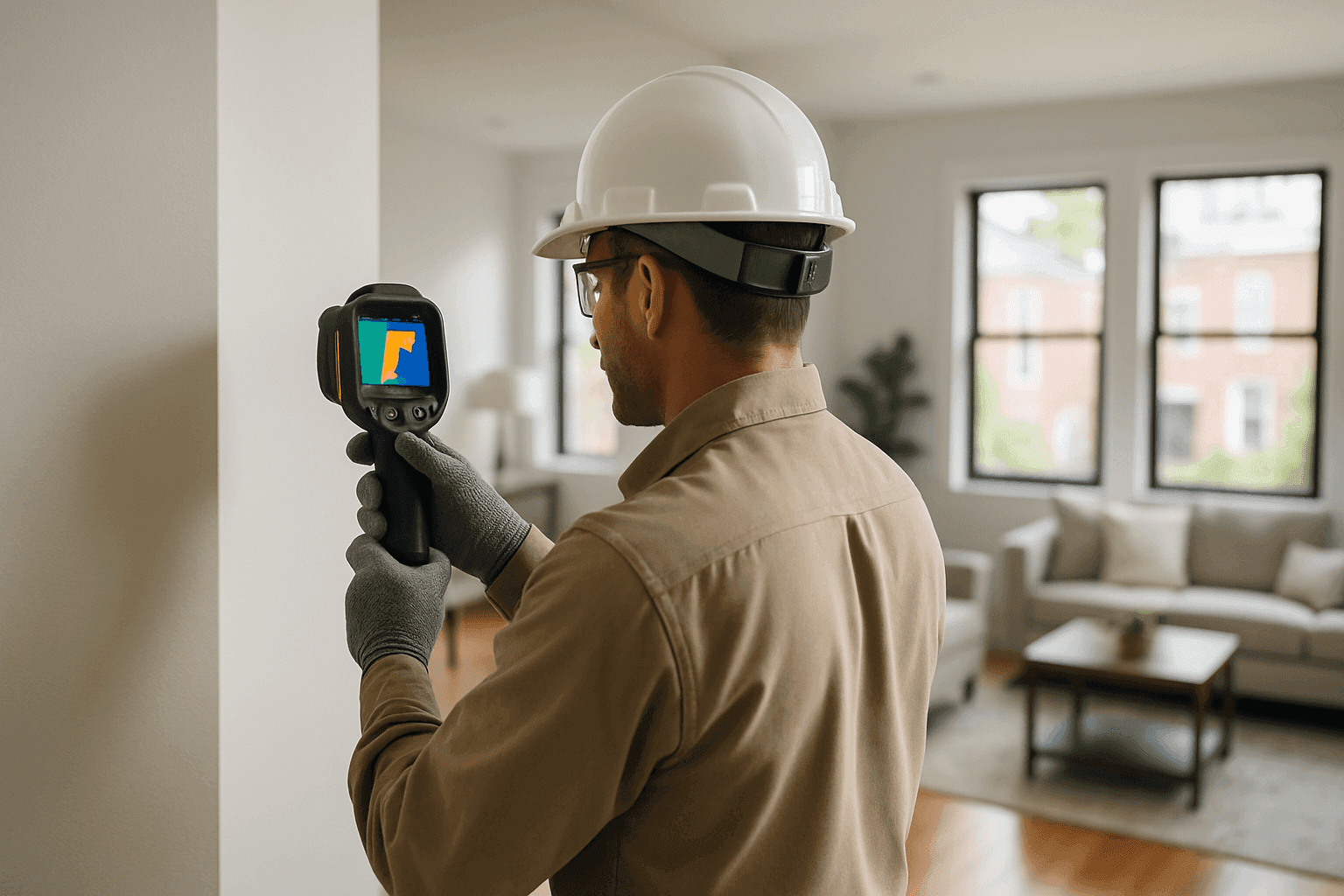
Thermal Imaging
With an infrared camera, warm and cool spots light up—like seeing your home’s “heat map.” -
Duct & Vent Checks
They test for leaks, blockages, or disconnected ducts with pressure gauges. -
System Review
Your thermostat, HVAC, filters, and even that trusty generator get a look.
Tools used include:
- Blower doors
- Infrared cameras
- Smoke pencils (to trace airflow)
- Manometers (measuring pressure)
- Moisture meters
This isn’t guesswork. It’s science, guided by standards from ENERGY STAR® and the U.S. Department of Energy.
Top Post-Audit Upgrades
Once the dust settles, the real work starts. An audit gives you a roadmap—clear steps to fix what matters most, especially before peak cooling season.
Insulation: Your First Defense
If your attic or walls are under-insulated, it’s like wearing a t-shirt in a snowstorm. Upgrading insulation (per U.S. Department of Energy guidelines) locks in cool air, making your AC’s job much easier.
Sealing the Gaps
Caulking windows and weather-stripping doors keep hot air out and cool air in. Even tiny gaps matter. Duct sealing—especially in older homes—can stop cooled air from vanishing into attics or crawlspaces.
Thermostat Upgrades
Still using an old dial thermostat? A modern programmable or smart thermostat can be a game-changer. It learns your habits, adjusts cooling automatically, and saves energy every day.
Other High-Impact Upgrades
- Duct Cleaning: Removes dust that chokes airflow.
- Air Balancing: Ensures each room gets its fair share of cool air.
- Filter Upgrades: Keeps air clean, system efficient.
- Ventallation near you: Installing or upgrading systems for fresh, balanced air.
- HVAC Maintenance: Regular tune-ups mean fewer emergencies and smoother operation.
Comfort, Cost, and Environmental Impact
The benefits go beyond your electric bill.
- Comfort: Even temperatures. No more “hot spots” or stuffy corners.
- Lower Bills: Less wasted energy means extra cash in your pocket.
- Healthier Air: Fewer allergens, less dust, mold, and humidity control.
- Less Stress on Your System: Well-sealed homes mean less wear and tear on AC units—cutting down on emergency cooling calls.
- Greener Footprint: Using less energy is good for your wallet and the planet.
Real-World Tips for Homeowners
- Check your attic hatch—often a big source of leaks.
- Replace or clean HVAC filters every 1–2 months in summer.
- Set your thermostat a few degrees higher when away—every degree saves energy.
- Use shades or curtains to block direct sun.
- Consider a whole-house fan for cool evenings.
Citing Code and Safety Guidelines
Care Cooling follows guidelines from the U.S. Department of Energy and ENERGY STAR® for home energy audits and insulation levels. Always use certified professionals for duct sealing and insulation work—some materials require fire safety compliance.
Call Care Cooling Now
Ready to make your home more comfortable and efficient—before the next heat wave hits? A home energy audit is the first step to lower bills and real comfort.
Call Care Cooling now — or reach us anytime at 877-779-0548 .