How Much Does AC Repair Cost? A Homeowner’s Guide
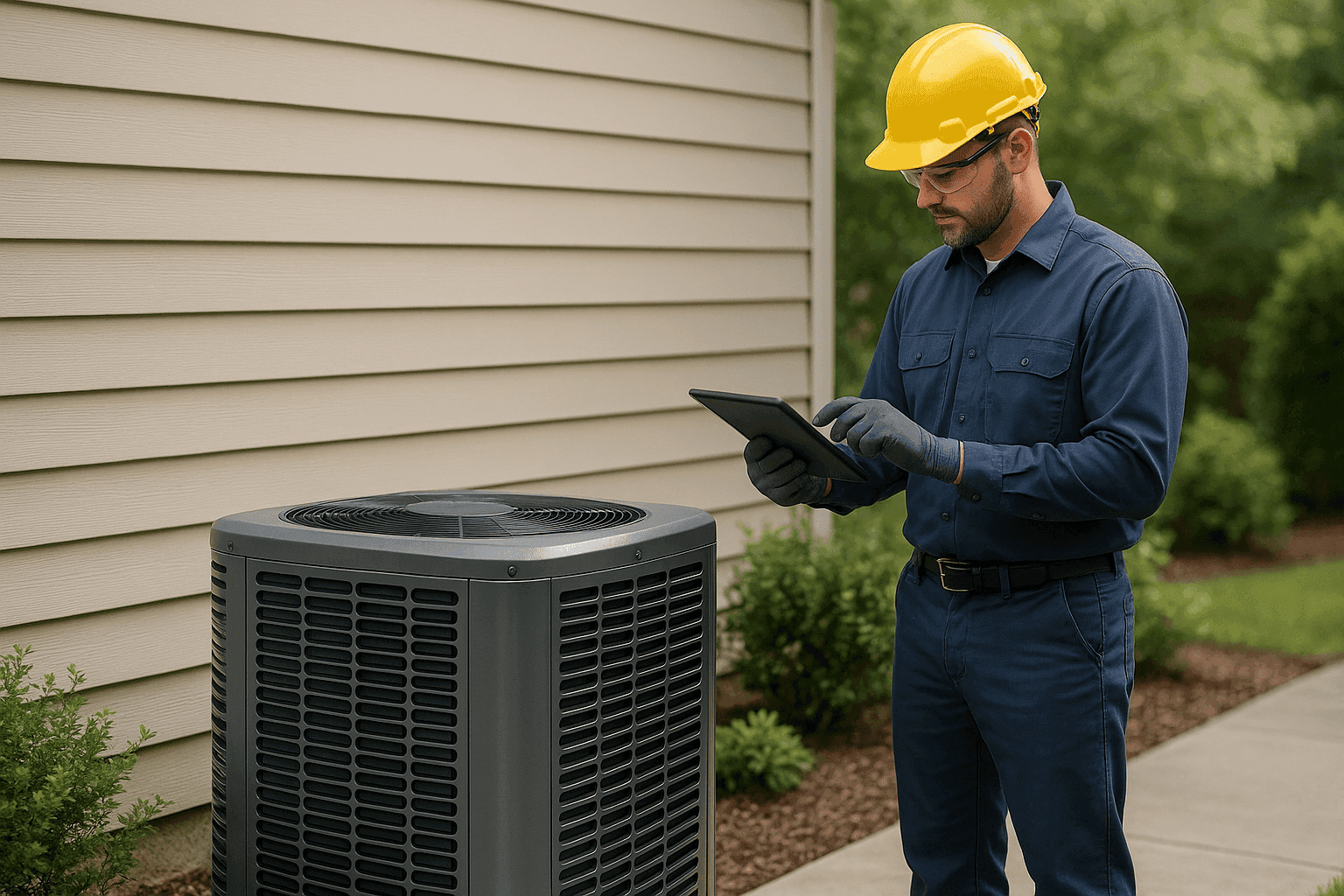
When your air conditioner breaks down, it feels like the hottest day of the year always finds you first. The stress of mounting heat, family comfort slipping away, and the looming question—“How much is this going to cost me?”—can leave any homeowner feeling lost.
At Care Cooling, we understand the pressure and uncertainty. This guide is here to clear the fog, so you know exactly what to expect next time your AC needs attention. Whether it’s a quick fix or a late-night emergency cooling call, let’s break down the real numbers and what drives them.
Typical AC Repair Costs
Let’s start with the basics. Most AC repairs involve three main elements: diagnostic fees, parts, and labor. Each one stacks up to create your final bill.
1. Diagnostic Fees
This is the “what’s wrong?” charge. A technician inspects your system, runs tests, and pinpoints the problem. Expect to pay anywhere from $75 to $200 for a standard diagnostic. Emergency calls or after-hours visits may run higher.
2. Parts
The part needed can swing the price wildly. For example:
- A simple capacitor might cost $60–$120 installed.
- Replacing a fan motor could be $300–$600.
- A refrigerant recharge (if legal and needed) may add $150–$400, depending on the type and amount.
Name-brand or specialty components will typically cost more. Always ask what’s being installed.
3. Labor
Labor is the hands-on time and skill required. Most repairs average $90–$150 per hour for qualified HVAC technicians, according to the U.S. Bureau of Labor Statistics. Some jobs are done in under an hour. Others, like compressor replacement, can take several hours.
What’s Usually Included?
- Travel to your home
- Full inspection
- Quote for parts/labor
- Explanation of the repair
- Work performed and tested
What’s Not Included?
- Major system replacements
- Extensive ductwork
- Upgrades to meet new code
- Ongoing maintenance
Factors Influencing Price
No two AC repairs are quite the same. Here’s what shapes the final cost:
System Type
- Central AC: Most common, moderate repair costs.
- Mini-splits: Parts may be pricier; installation trickier.
- Heat pumps: Similar to AC, but with extra components.
- Window units: Smaller, often cheaper to repair (but sometimes not worth it).
Age and Condition
Older systems can be like classic cars—quirky, and sometimes parts are hard to find. If your AC is more than 10–15 years old, repairs may cost more due to availability and complexity.
Urgency (Emergency Cooling vs. Standard Service) ⚡
Need help at 2 a.m.? Emergency cooling services cost more. Expect diagnostic/labor rates to be 1.5X to 2X higher outside regular hours or on holidays. It’s the price of peace of mind when comfort can’t wait.
Part Availability
If a part is out of stock or must be special-ordered, this can add both time and cost. National shortages or discontinued models will always push prices up.
Location and Access
Tight attic? Rooftop unit? Hard-to-reach ACs take longer to service, which can mean higher labor costs.
Emergency vs. Standard Pricing
When the heat is on, time matters. But there’s a difference between emergency and regular service:
- Standard Service: Scheduled visits, regular rates, planned repairs.
- Emergency Cooling: 24/7 response, immediate dispatch, higher rates.
A typical after-hours emergency call can add $100–$300 to your bill, just for the urgency. But sometimes, waiting isn’t safe—especially for vulnerable family members or during extreme heat events.
Tip: If your AC fails suddenly, check if there’s a safe way to wait (fans, open windows, temporary cooling). But for total breakdowns, don’t risk it—emergency cooling near you can be a lifesaver.
When to Repair vs. Replace
The toughest question. Should you fix your old unit, or invest in a new one? Here’s a rule of thumb used by HVAC pros:
- If the repair costs more than 50% of the price of a new system, consider replacement.
- If your AC is over 10–15 years old, frequent breakdowns may signal it’s time for an upgrade.
Signs it’s time to replace:
- Constant repairs
- Uneven cooling, poor air quality
- Major parts failing (compressor, coils)
- Energy bills soaring despite maintenance
Still, sometimes a small repair keeps an otherwise healthy system running for years. Ask your technician for honest advice, and don’t be afraid to get a second opinion.
What About Warranties and Quotes? 📝
Manufacturer’s Warranty:
Most new ACs come with a 5–10 year parts warranty. Labor is often separate. Always ask if your repair is covered.
Service Warranties:
Some companies provide a short warranty on labor or parts they install. Get this in writing.
Upfront Quotes:
You should get a clear, written estimate before work starts. It should show:
- Diagnostic fee
- Parts needed and cost
- Labor rate and estimated time
- What’s included/excluded
Never feel pressured to approve work on the spot. Take time to read the estimate and ask questions.
Common Homeowner Questions
“Why does the same repair cost more at my house than my neighbor’s?”
Every home is different—system type, age, location, and even how hard your AC has worked all summer influence the price.
“Will insurance cover my AC repair?”
Most homeowners’ insurance does not cover normal wear and tear. But some policies might help if damage is caused by a covered peril (like a power surge or storm). Check your policy.
“What if my AC fails after a repair?”
Ask about labor and part warranties. Some issues—like a new part failing—may be covered for a limited time.
“How do I know if the repair is safe and up to code?”
Your technician should follow local building codes and national safety standards, such as those from the International Code Council (ICC) and Occupational Safety and Health Administration (OSHA). Always request that repairs meet these guidelines.
How to Prepare for Repairs (and Emergencies)
- Keep your AC’s model and serial numbers handy
- Know where your thermostat, circuit breakers, and shut-offs are located
- Replace filters regularly (monthly, or as recommended)
- Schedule yearly maintenance—catch small problems before they grow
- Store warranty and maintenance records in one place
If you need emergency cooling, clear paths to your AC for the technician and keep pets/kids away from the work area.
Local and Seasonal Considerations 🌡️
During peak summer, demand for AC repair soars. This can mean longer waits and higher costs. In colder months, off-season repairs may come with shorter wait times and sometimes lower rates.
If you live in a region with high humidity, consider services like dehumidifiers or indoor air quality testing—both can help your AC run better and last longer.
Search for “ventallation near you” or “HVAC repair near me” to find qualified help when you need it most.
When your comfort is on the line, knowledge is power. AC repair costs don’t have to be a mystery. With the right preparation and a clear understanding of what’s involved, you can make the best decision for your home and family.
Call Care Cooling now — or reach us anytime at 877-779-0548 .